
The Bridging Principle
Introduction
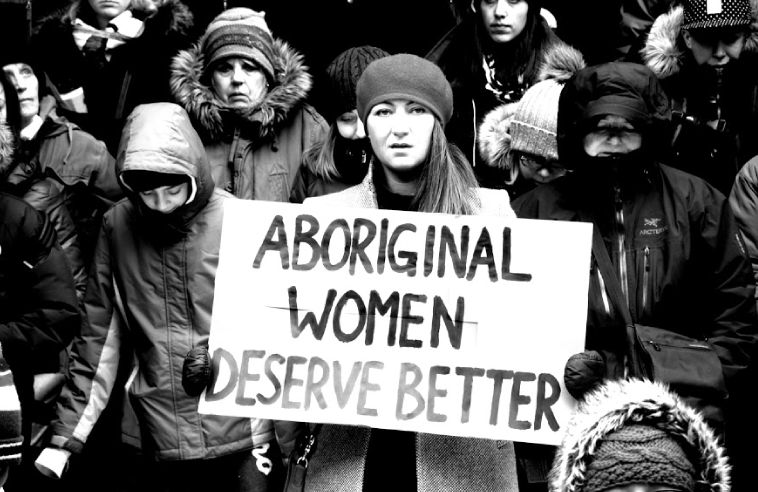
The problem of systemic discrimination has been apparent throughout North America for centuries. Systemic discrimination can be defined as actions that purport disadvantages for certain types of groups. These actions come about from organizations and other institutions, making it institutionalized. In Canada, there have been a myriad of systemic discrimination situations. Japanese internment, the rejection of Chinese immigrants in the early 20th century, residential schools, and finally the topic I will be discussing, the rights of aboriginal women.
The systemic discrimination apparent within aboriginal women can be shown through the amount of missing and murdered aboriginal women. This systemic discrimination is shown through the inept responses from law enforcement. This means that violent cases regarding aboriginal women are less likely to have an actual response and are less thought of; irrelevant.
A report named MMIWG has been made to cover these cases: https://www.mmiwg-ffada.ca/
The report describes its mission into forcing a national inquiry on the sexual violence and murders regarding aboriginal women and girls.
Norms
The norms that were institutionalized before the evolution of the discrimination were of colonial legislation. The Indian act, which describes this norm, was meant to strip any rights and status of aboriginal women who had married any non aboriginal men. This would mean they’d have no political power or any impact in their own community. The new norm would be of institutions like education, health care, and the legal system. These norms would enact discriminatory practices such as restrictive measures towards aboriginal women. For example, in health care aboriginal women would be treated unequally to non aboriginal women or people in general.
Social Structures
There have been multiple social structures in acceptance of this issue. These institutions can be identified as the health care system, educational system, and the government. The government enacted the Indian act, which introduced new norms regarding aboriginal women. These norms pushed forward the stripping of rights and political power or any type of power that aboriginal women have once had in their own communities, after marrying a non aboriginal man. In the educational system, residential schools stripped away the culture and practices of aboriginal women. Within the health care system, discriminatory practices have pushed further the issue of systemic discrimination of aboriginal women and aboriginal people in general. Many aboriginal people have had their health concerns taken with a grain of salt, which lead to multiple untreated illnesses and diseases. This also includes mental health, a prime factor in the disappearance of aboriginal women.
Social Change
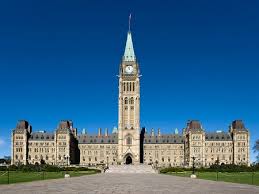
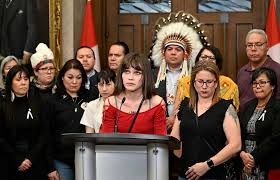
Social change is occurring through the governments acknowledgement of this systemic discriminatory of aboriginal women. Through the effort of the MMIWG movement, steps to getting a national inquiry into the issue have been made and carried out.
Further Change
Further change will be supported by demonstrating a stronger interest in the health concerns of aboriginal women, a larger representation nationally of aboriginal women through the mediums of social media, and through a change in the child welfare systems judgement of families. The change can be made through the appointing or employment of more aboriginal peoples, such that more thought from that community would be integrated into the institutions listed, granting easier and smoother transitions into these changes.

Social Theory
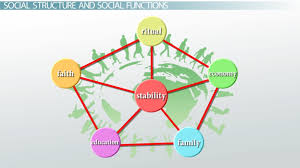
A social theory that best describes my explanation of the social change to which I am referring is structural functionalism. Structural functionalism is the theory that states the fact that a society’s foundation is based upon the institutions included in the society. This means that, regarding this problem, to change the society that once accepted all of these norms and accepted the institutionalized racism, they need to change the way they operate, such that they make up the foundation of a society. However the institutions operate, the society operates by those functions.
Further Questions
Further questions I have about this issue and the related social change is, are the institutions willing to give up their old practices and strive for a more inclusive environment? How could this social change impact other marginalized groups? Would the shift of attention cause even more discrimination?

References
Bell, B. (2019, June 28). Our mandate, our vision, our mission. MMIWG. https://www.mmiwg-f fada.ca/mandate/
Government of Canada; Indigenous Services Canada. (2023, May 2). Indigenous health care in Canada. https://www.sac-isc.gc.ca/eng/1626810177053/1626810219482
The Editors of Encyclopaedia Britannica. (2024, May 28). Structural functionalism | Definition, Examples, & Criticisms. Encyclopedia Britannica. https://www.britannica.com/topic/structural-functionalism
 Bridging Principle